
Lessons from Fire Control Plan Inconsistencies Onboard
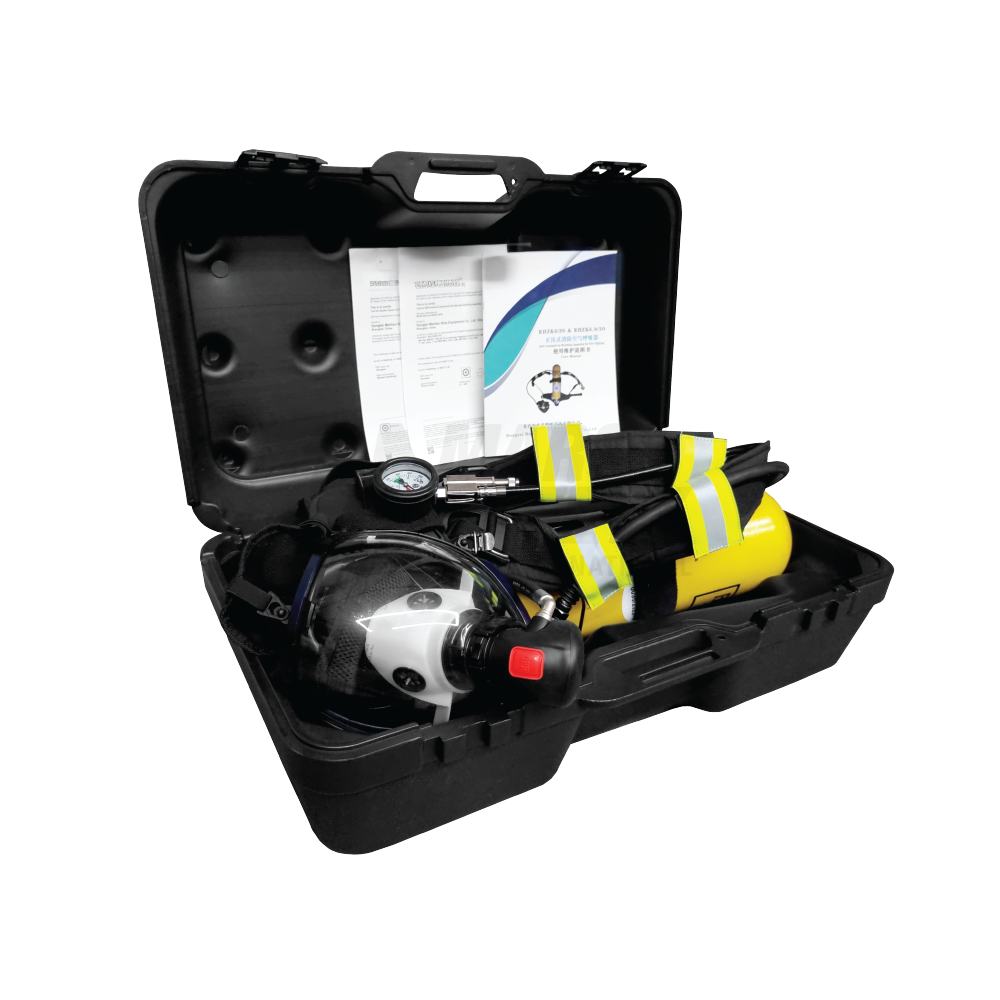
During a recent inspection by Kodo Maritime Services, our team discovered a discrepancy between the vessel’s Fire & Safety Plan and the actual onboard arrangement of Self-Contained Breathing Apparatus (SCBA). What began as a seemingly minor observation soon revealed significant safety and financial implications.
General arrangement plans shall be permanently exhibited for the guidance of the ship’s officers, showing clearly for each deck the control stations, the various fire sections enclosed by “A” class divisions, the sections enclosed by “B” class divisions together with particulars of the fire detection and fire alarm systems, the sprinkler installation, the fire-extinguishing appliances, means of access to different compartments, decks, etc., and the ventilating system including particulars of the fan control positions, the position of dampers and identification numbers of the ventilating fans serving each section…….Plans and booklets shall be kept up to date; any alterations thereto shall be recorded as soon as practicable.
SOLAS, Chapter II-2, Reg. 15, par 2.4 Fire control plans *
The Initial Finding
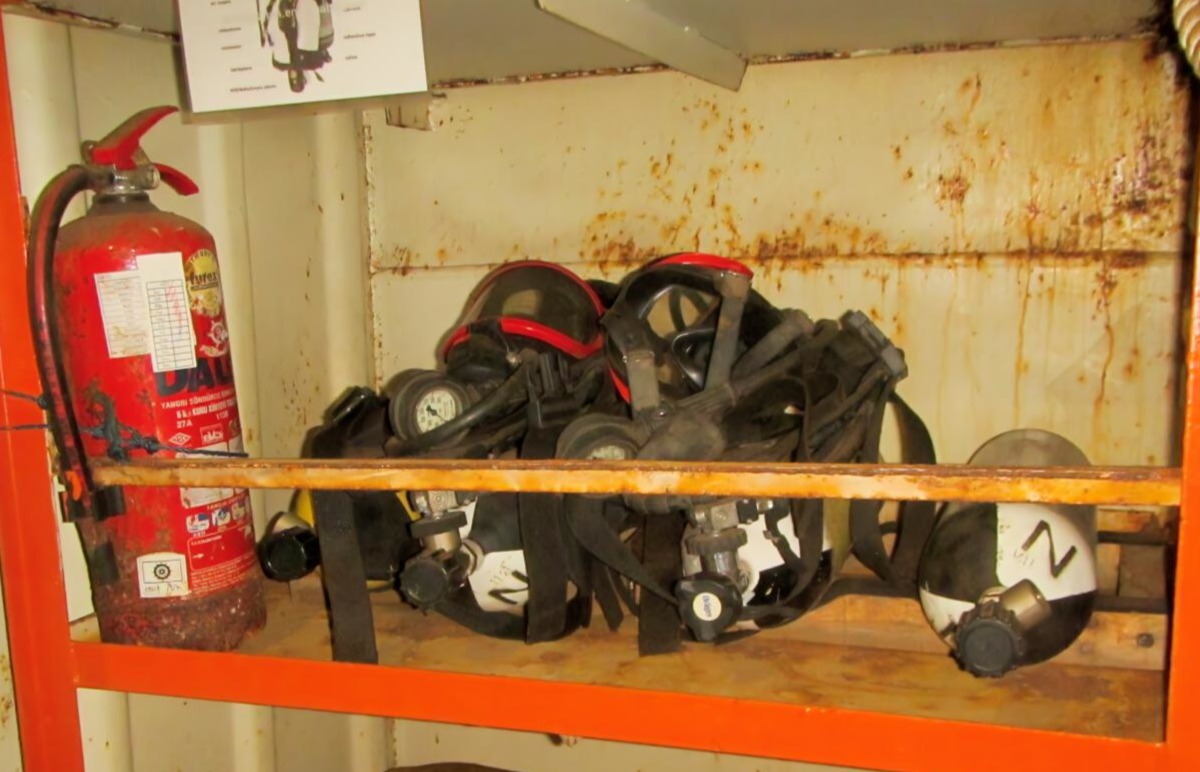
We noted two SCBA units stored in the bosun store beneath the forecastle deck—an atypical placement for such critical emergency equipment. Accompanying these were only two spare air bottles, despite SOLAS regulations calling for a minimum of two spare bottles per SCBA unit.
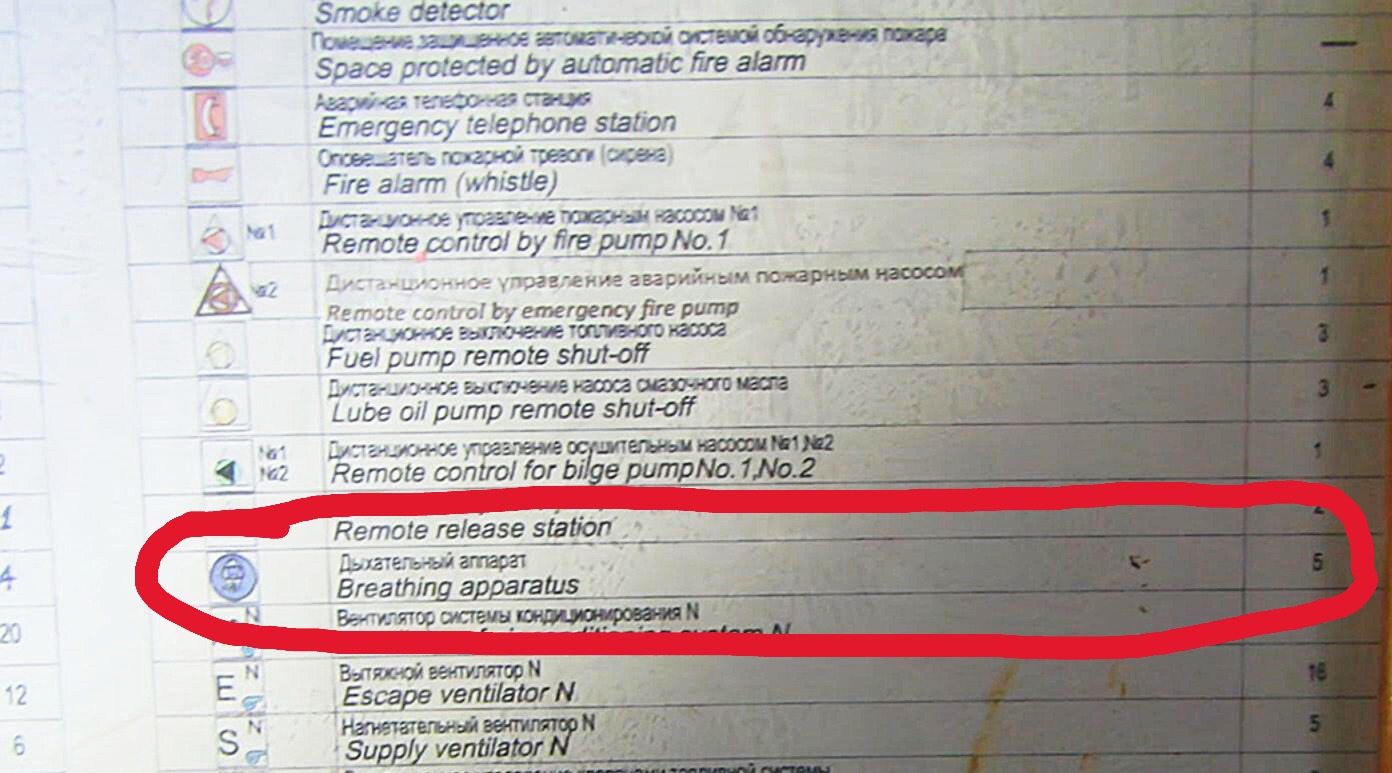
Upon reviewing the Fire & Safety Plan, we found it referenced three SCBA units in the bosun store and a total of five units onboard, a clear mismatch with the current inventory. This inconsistency warranted a deeper investigation.
Tracing the Source
A review of vessel documentation and operational history brought the real issue to light:
-
Ownership transfer occurred approximately four years ago.
-
The new owners shifted operational focus to grain and steel cargoes, discontinuing dangerous goods transport.
-
As a result, the vessel’s IMSBC (International Maritime Solid Bulk Cargoes) certificate was withdrawn, leaving SOLAS as the sole relevant standard—requiring only two SCBA units.
-
Previous requirements (from when the vessel was IMSBC certified) were:
-
2 x SCBA per SOLAS
-
2 x SCBA per IMSBC
-
1 x SCBA for training
-
This explained why outdated documentation and redundant equipment remained onboard.
The Hidden Cost
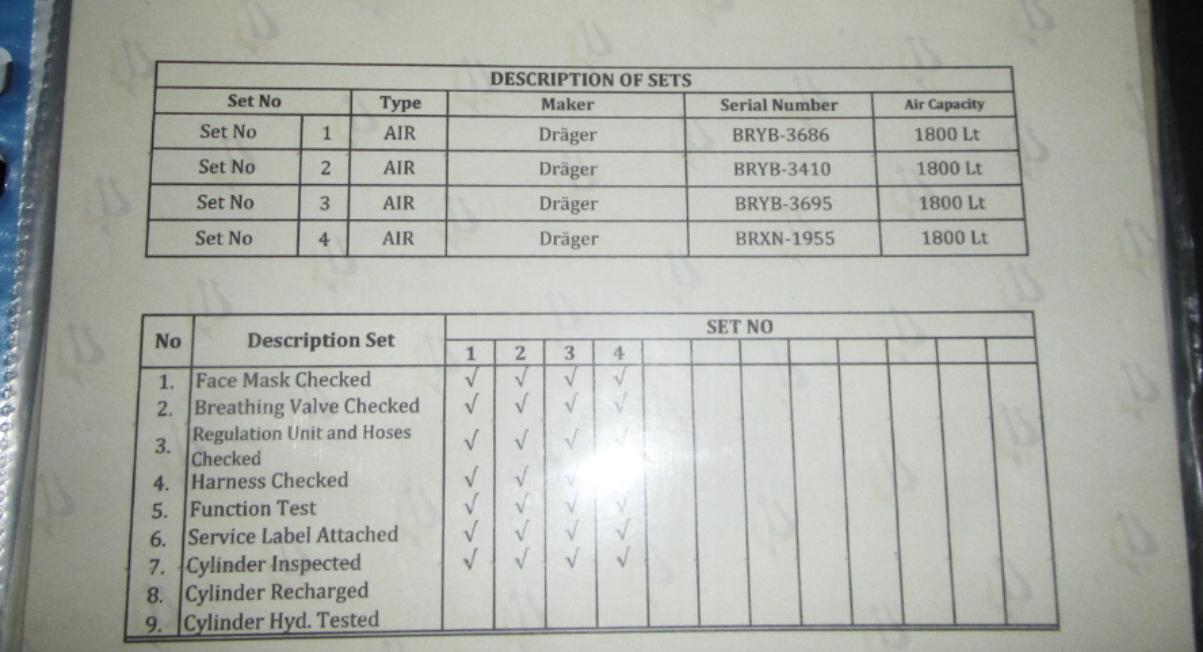
Despite the changed requirements, the crew continued to service four SCBA units and twelve air bottles. This meant the owner had been incurring maintenance expenses on unnecessary equipment—costs that accumulated over several years due to oversight and outdated documentation. Moreover, this situation also posed a potential compliance risk.
PSC Risk Exposure
Had a Port State Control (PSC) inspection occurred, the vessel could have faced deficiencies for:
-
- Inconsistencies between the Fire & Safety Plan and actual onboard equipment
-
- Incorrect spare air bottle provisioning under SOLAS
-
- Retaining equipment required by a certificate (IMSBC) that was no longer valid
Any of these findings could have resulted in a detention.
Outcome & Recommendations
Following our assessment, the owner was able to:
-
- Update and correct the Fire & Safety Plan
-
- Adjust the SCBA inventory and documentation to match actual operational certification
-
- Cease unnecessary servicing of redundant equipment
-
- Restore full compliance with SOLAS requirements
Any of these findings could have resulted in a detention.
At Kodo Maritime Services, we help vessel owners avoid such pitfalls through rigorous, independent inspections and up-to-date regulatory knowledge, potentially saving thousands in unnecessary servicing fees and avoiding PSC delays.
